Collect, clean, and move data between approved sources to support research or business operations. We plan around source reliability, permitted use, and the structure needed by downstream tools.
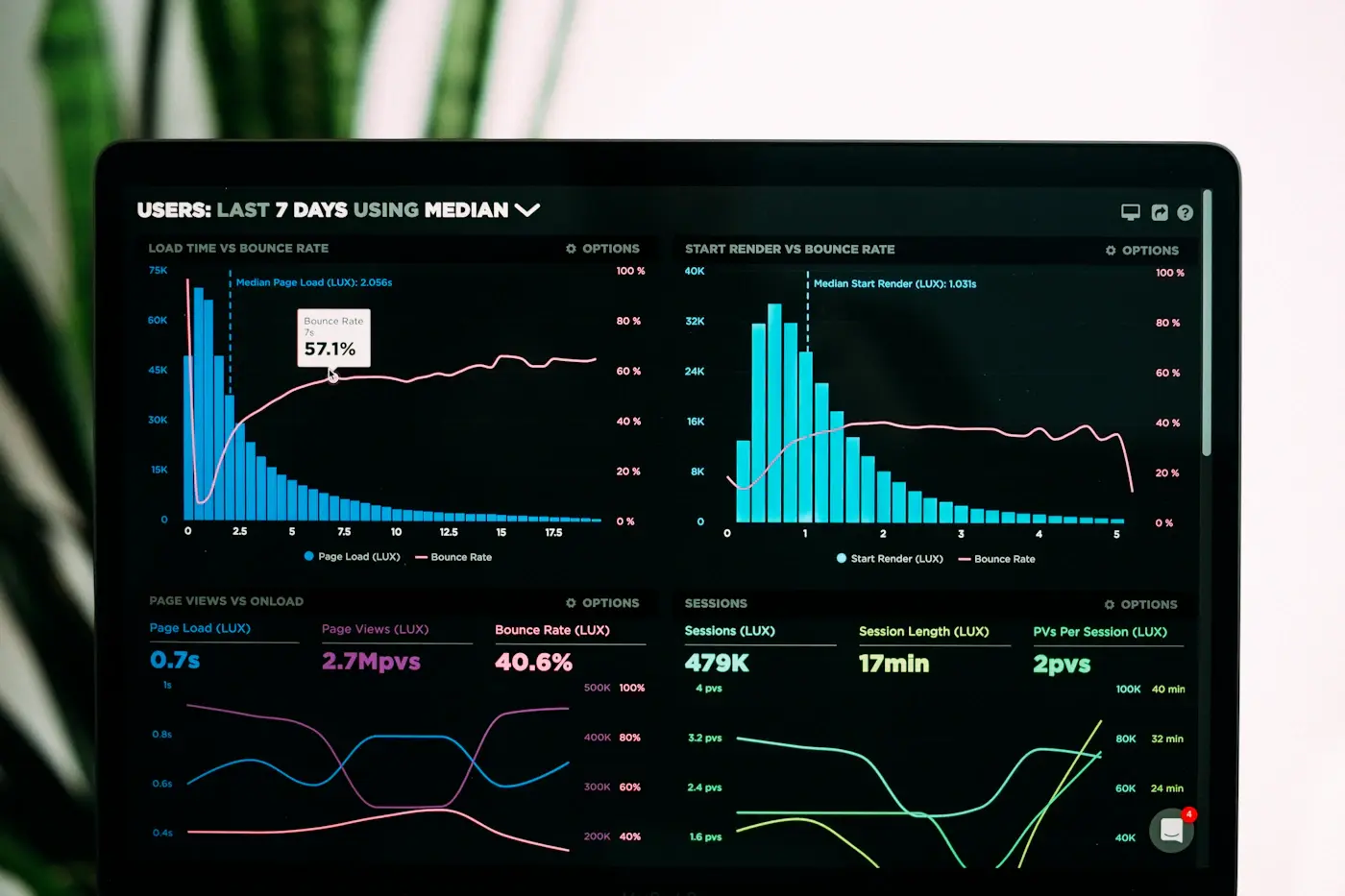
An illustrative view of the work behind web scraping & data
The problem behind the brief
Collected data is only useful when it is permitted and dependable
Automated collection can produce duplicates, stale fields, or gaps when sources change. It also needs to respect access rights, privacy obligations, and the terms that apply to each source.
01
Confirming permitted access and source reliability
02
Handling duplicates, missing values, and changing formats
03
Keeping collection within practical rate and usage limits
04
Making refresh timing and data provenance visible
What you are really looking for
What data teams need before building a collection pipeline
You need information that is usable and refreshed—not a large pile of scraped values. Source permissions, consistency, provenance, and downstream format all affect whether the data can support a decision.
01
Are the data source and intended use permitted?
02
Which exact fields are needed, and how will missing or changed values be handled?
03
How fresh does the information need to be for the business purpose?
04
Where will records go and how will users understand their origin and limitations?
What the work can include
A traceable pipeline with data quality in the design
A project is shaped around the parts that matter to your business. We define the deliverables and responsibilities together before work begins.
01
Approve sources and fields
A source and field inventory
02
Build extraction and transformation
Repeatable extraction and transformation steps
03
Validate records and exceptions
Data quality checks and error visibility
04
Deliver and document the dataset
Output shaped for your reporting or workflow
The details that make it work
What a dependable data pipeline needs
We bring these service-specific considerations into planning and review, so important trade-offs are discussed before they become expensive changes.
Approved sources and an explicit field list
Validation, deduplication, and error reporting
Refresh rules and traceable timestamps
Output formats that downstream users can actually use
A considered approach
Prove one representative sample before scaling collection
We confirm access and usage requirements first, then build a small sample pipeline and validate the output before expanding collection.
 Web Scraping & Data · 0202
 Web Scraping & Data · 0303
 Web Scraping & Data · 0404