Automate repetitive rule-based tasks across business applications when a direct integration is unavailable or impractical. We design the automation around predictable steps and visible failure handling.
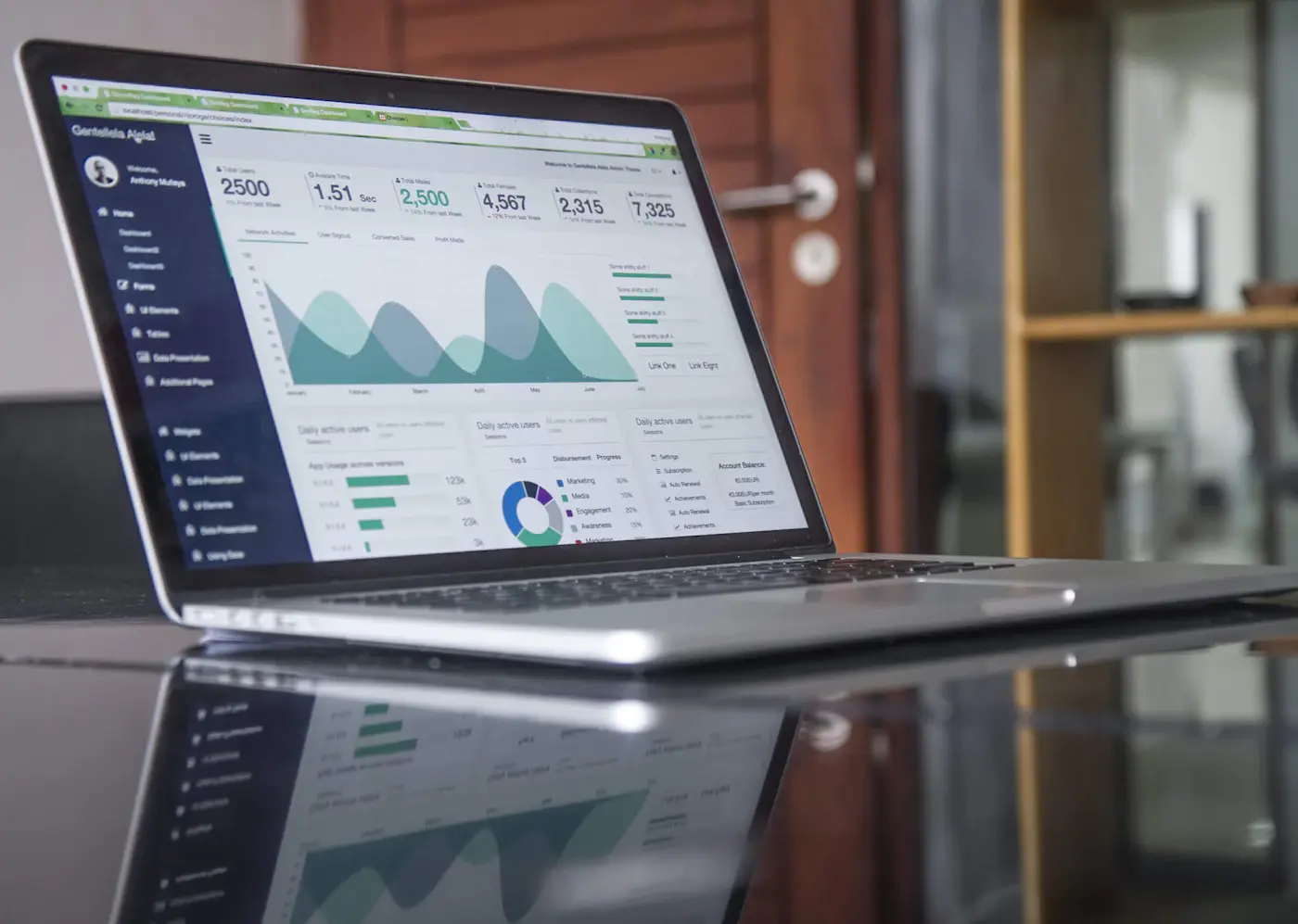
An illustrative view of the work behind rpa & bots
The problem behind the brief
Robots need to handle the exceptions too
Automations that click through applications can be sensitive to interface changes, timing, and unexpected data. Reliability depends on clear boundaries and useful failure reporting, not just a successful demo.
Handling timeouts, changed screens, and missing records
03
Protecting credentials and limiting access
04
Avoiding duplicate actions when a run is retried
What you are really looking for
What operations teams need from a robotic process
You are looking for a way to handle repetitive work in tools that may not expose an API. The automation must behave predictably, protect access, and be supportable when interfaces change.
01
Are the task steps stable enough to automate across normal variations?
02
What checks prevent the robot from acting on the wrong record?
03
How are credentials stored, limited, and rotated?
04
How will a failed or partially completed run be reported and safely resumed?
What the work can include
An automation with guardrails, not just a successful demo
A project is shaped around the parts that matter to your business. We define the deliverables and responsibilities together before work begins.
01
Qualify the task
A documented task map and automation boundary
02
Define checks and stop conditions
Robotic workflows for agreed repetitive actions
03
Build and test repeatable runs
Logging and alerts for failed or incomplete runs
04
Plan for alerts and maintenance
A practical maintenance handoff
The details that make it work
What maintainable RPA needs
We bring these service-specific considerations into planning and review, so important trade-offs are discussed before they become expensive changes.
A documented process map and stop conditions
Safe credential handling and least-privilege access
Retries and alerts designed to prevent duplicate work
A change and support plan for application updates
A considered approach
Check whether a direct integration is safer before using UI automation
We confirm which steps are stable enough to automate, test edge cases, and define what should happen when a screen or input changes.

 RPA & Bots · 0202
 RPA & Bots · 0303
 RPA & Bots · 0404