Improve an older application or process in stages while protecting the work it already supports. Modernization may involve a focused integration, a platform upgrade, or a phased rebuild based on what the system needs.
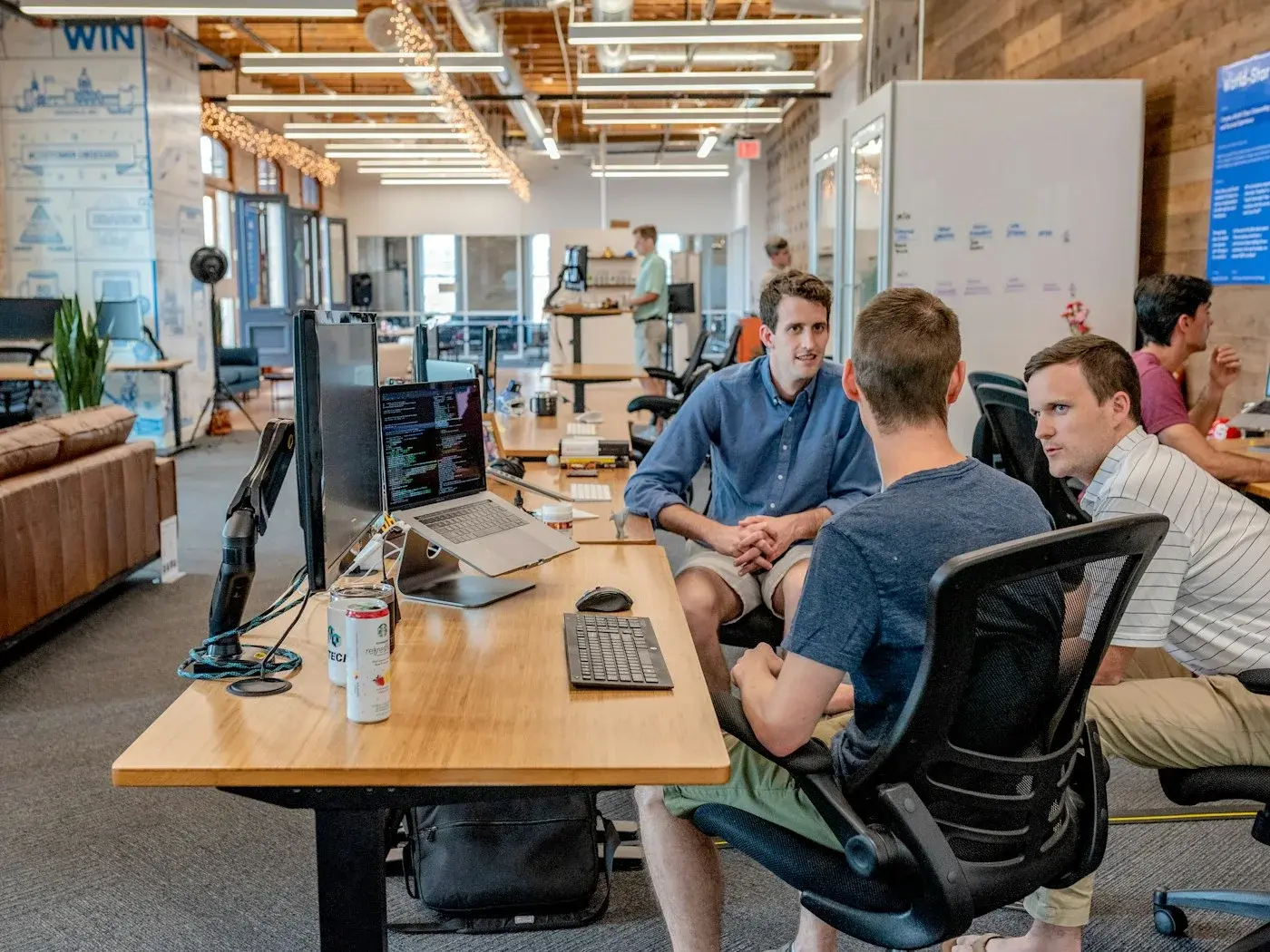
An illustrative view of the work behind legacy modernization
The problem behind the brief
Modernization has to protect what already works
Older systems may contain undocumented rules and dependencies that are essential to daily operations. Replacing them without mapping those behaviors can create disruption even when the new technology is sound.
01
Finding hidden dependencies and undocumented workflows
02
Balancing incremental upgrades against full replacement
03
Planning migration, rollback, and continuity
04
Preserving data and user trust through the change
What you are really looking for
What teams need from legacy modernization
You want to reduce fragility or make change easier without losing the rules and workflows the current system already handles. The plan must fit around operational continuity and the knowledge of the people who use it.
01
Which parts of the system are costly, risky, or blocking change?
02
What undocumented business rules must the replacement preserve?
03
Can the system be improved in place or should parts be replaced?
04
How will data, users, and active work transition with a rollback option?
What the work can include
Reduce risk while moving toward a system you can evolve
A project is shaped around the parts that matter to your business. We define the deliverables and responsibilities together before work begins.
01
Inventory workflows and dependencies
An inventory of current systems and dependencies
02
Choose incremental or replacement paths
Prioritized reliability or usability improvements
03
Migrate and validate in stages
A phased migration or replacement plan
04
Prepare users and maintainers
Transition notes for maintainers and users
The details that make it work
What a safer modernization plan needs
We bring these service-specific considerations into planning and review, so important trade-offs are discussed before they become expensive changes.
A dependency and workflow inventory
A phased target state with measurable checkpoints
Data validation, backup, and rollback planning
A user transition and maintenance plan
A considered approach
Protect critical behavior while changing the underlying system
We first identify what must continue working, then compare incremental improvements with replacement options and plan around operational risk.

 Legacy Modernization · 0202
 Legacy Modernization · 0303
 Legacy Modernization · 0404